
MENU
- Global
- From Growth to Exit: Highlights from Our Joint M&A Seminar with Advenz
From Growth to Exit: Highlights from Our Joint M&A Seminar with Advenz

For many SME owners, M&A sounds like something reserved for large corporations and headline deals. It rarely comes up in day-to-day conversations about running a business, and few see it as relevant to a company like theirs.
So when the question of what happens next finally comes up, owners often do not know where to start. Retirement may be near with no clear successor, or growth may be slowing. Some assume the only choices are to pass the business to family or close it down.
Yet there is often another path. Through M&A, owners can find the right strategic buyer or partner to take the business forward and protect what they have built. It can also keep employees and customers looked after, and in many cases help the business grow further than it could on its own.
The challenge is timing. M&A works best when owners plan for it early, not when they are already under pressure. Many of the decisions that shape the outcome are made long before any deal is discussed, often without the owner realising it. These include how the business is run, how much it depends on the founder, and how ready it is for a buyer to examine closely.
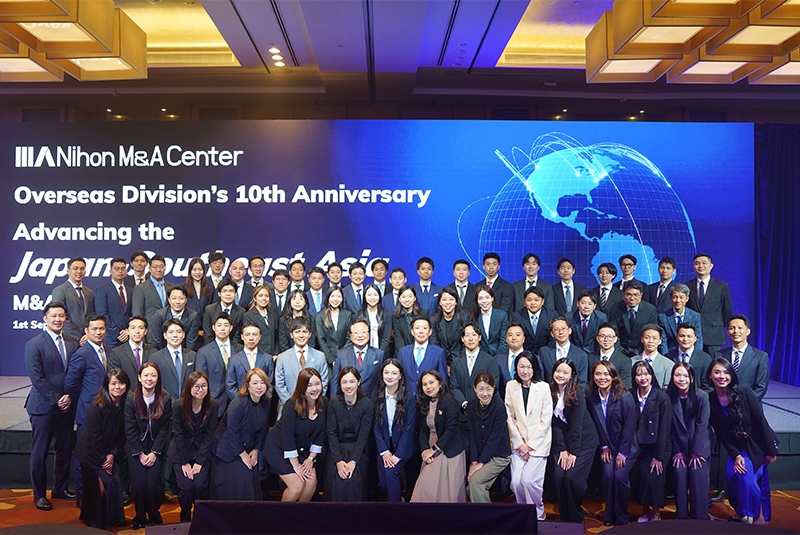
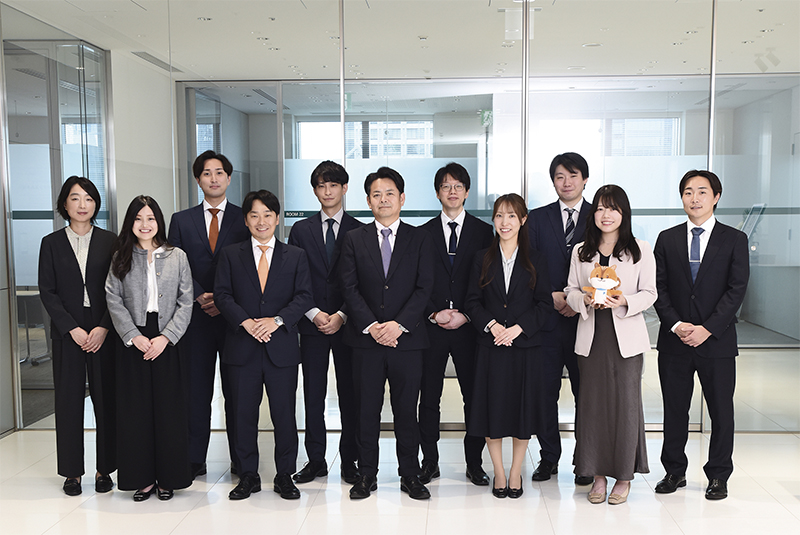
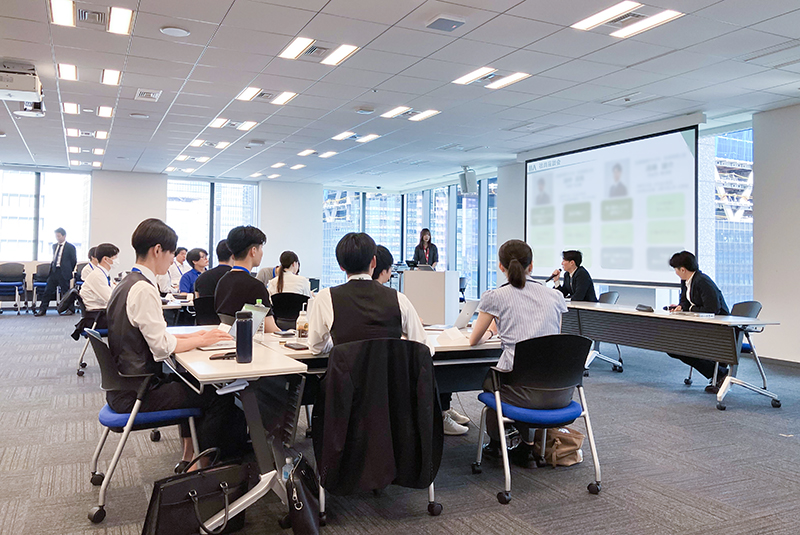
That was one of the key themes at our recent seminar, "Navigating SME Growth Through M&A," jointly organised with our long-standing partner, Advenz Pte Ltd, in Singapore. Held on 23 September 2026, the afternoon brought together more than 40 SME owners and industry professionals around one simple but often overlooked idea: the earlier owners understand their options, the more choices they have when the time comes.
The seminar invited five speakers looked at M&A from different angles: regional market trends, innovation, a founder's own exit story, and the financial and legal groundwork behind a successful deal. Here are the key takeaways.
Looking Beyond Traditional Succession Paths
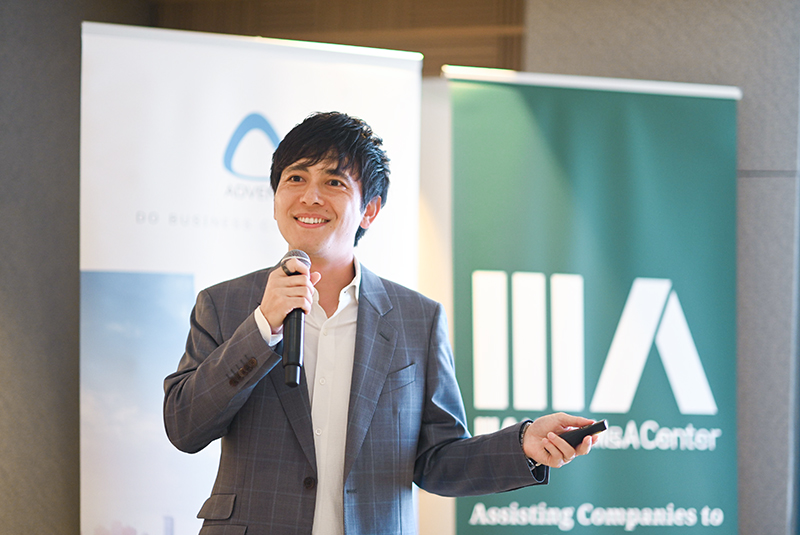
Opening the session, Mr. Yusuke Ojima, Corporate Officer and Head of Overseas Division of Nihon M&A Center set the stage by showing how M&A can support both business succession and growth. He drew on market trends and opportunities across Japan, Singapore and Southeast Asia.
His session spoke directly to the situation many owners find themselves in. Owners often assume their only choices are to hand the business to family or close it down, but M&A opens up a much wider range of options. An owner might bring in a strategic partner, sell part of the business to fund expansion, buy another company to enter a new market, or plan a gradual handover to a new owner. Each option serves a different goal and calls for a different kind of preparation.
He also pointed to the opportunity across the region. As more Japanese companies look to Southeast Asia for growth, Singapore businesses are well placed to benefit from these cross-border opportunities. For an owner without a clear successor in place, this could mean finding a strategic buyer who will preserve and build upon the legacy they have worked hard to create.
However, knowing the options is only the first step. Whether owners can actually take them depends on one thing: how valuable and attractive their business is to the right buyer or partner.
Building the Capabilities That Buyers Value
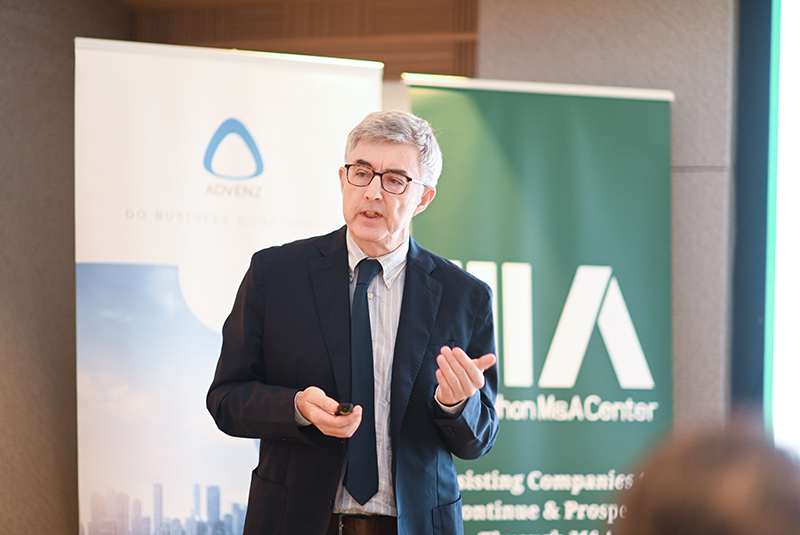
That question of value was where Professor J. Grant Burgess, founder of LEANOVA Group picked up the conversation. A business's value is not decided when the valuation is done. It is built over time through the capabilities, systems and strengths that allow a company to remain competitive and continue growing.
Professor Grant explored this through the lens of innovation. Many businesses view innovation as a series of new ideas or one-off initiatives. He argued that it should instead be treated as a measurable and manageable business capability, embedded into the way an organisation operates.
This distinction matters because buyers are not only acquiring a business for what it has achieved today, but also for its ability to create value in the future. Companies that can consistently innovate, adapt to changing market conditions and develop new opportunities are often better positioned for long-term growth. In an M&A context, these qualities can strengthen a company's attractiveness to potential buyers and support a stronger valuation.
An Entrepreneur's Journey from Growth to Exit
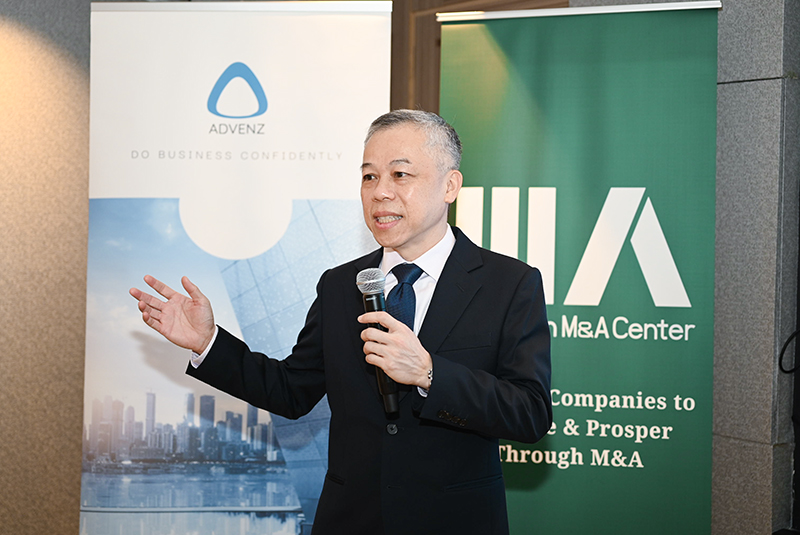
Next, participants heard from Mr. Chia Yoong Hui, Chairman of Advenz, who shared his entrepreneurial journey of building, scaling and successfully exiting a maritime technology company.
While the earlier sessions explored how business value is created and what makes a company attractive to potential buyers, Mr. Chia brought those concepts to life through his own experience. He reflected on the challenges and decisions involved in growing a business, building a strong team, and ultimately preparing the company for a successful transition.
His story served as a reminder that a successful exit is rarely the result of a single decision. Rather, it is the culmination of years of strategic choices, operational discipline and long-term planning. For many of the business owners in attendance, it offered a practical perspective on what preparing a business for future opportunities can look like in practice.
What Buyers Will Typically Look at Closely
While growth stories and strategic vision are important, a successful transaction ultimately depends on preparation. Every serious buyer will review a business carefully before committing, and owners who understand what that review involves are in a much stronger position.
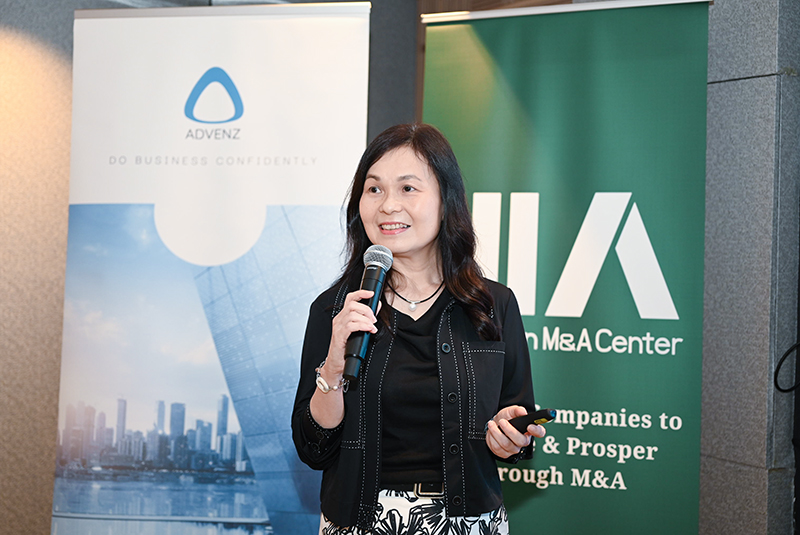
Ms. Jaslin Lau, Managing Partner of Advenz, shared practical insights into financial due diligence and what buyers typically look for when evaluating a business. She explained how clean financial records, transparent reporting and strong financial controls help build buyer confidence and facilitate smoother transactions. More importantly, she highlighted how addressing issues early can help business owners avoid surprises later in the deal process.
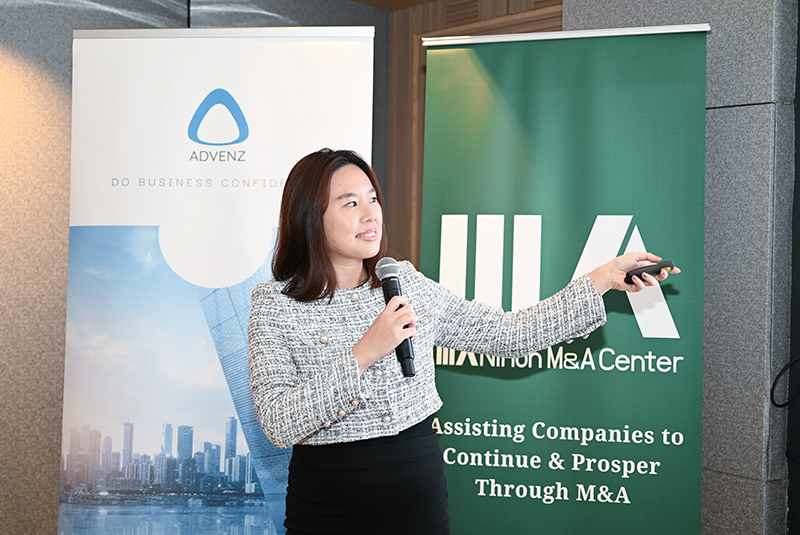
Complementing this perspective, Ms. Victoria Wah, Advocate & Solicitor of Singapore, discussed key legal considerations in M&A transactions. Her session focused on how business owners can preserve and protect shareholder value throughout the deal process, from structuring agreements and managing contractual obligations to addressing governance and risk considerations. She highlighted that legal preparation is not simply about completing a transaction, but about ensuring owners safeguard the value they have spent years building and achieve the outcomes they intend from a deal.
The Value of Early Preparation

Taken together, the sessions reinforced a common message: M&A is not simply a transaction undertaken at the end of a business journey. It is one of several strategic options available to owners seeking growth, continuity, succession or a pathway to transition.
The strong engagement and thoughtful questions throughout the afternoon reflected a growing interest among SME owners in understanding these options before they become urgent. Whether the goal is expansion, attracting a strategic partner, planning for succession or preparing for an eventual exit, the foundations for a successful outcome are often laid years in advance.
Ultimately, the seminar highlighted the importance of early preparation. By understanding what drives business value, how buyers assess opportunities, and what steps can strengthen readiness, business owners can create more options for themselves and make informed decisions about the future of their businesses, long before they need to make them.
この記事を読んだあなたにおすすめ
編集者

新着記事
- Global2026/10/14
From Growth to Exit: Highlights from Our Joint M&A Seminar with Advenz
 M&A2026/10/9
【私たちにおまかせ!会社紹介】PMI(M&A後の経営統合)を担うプロ集団 日本PMIコンサルティング
 Event2026/10/7
「企業を未来につなぐ仕事」を伝える。帝京大学小学校で出前授業を実施
 Global2026/10/5
ASEAN各国から65名が集結!ビジョンを共有し未来への結束を深めたグローバルミーティングを開催
 Event2026/9/29
8,300名超がエントリー!5日間で経営者視点が学べる大人気のサマーインターンシップに密着
新着記事一覧へ